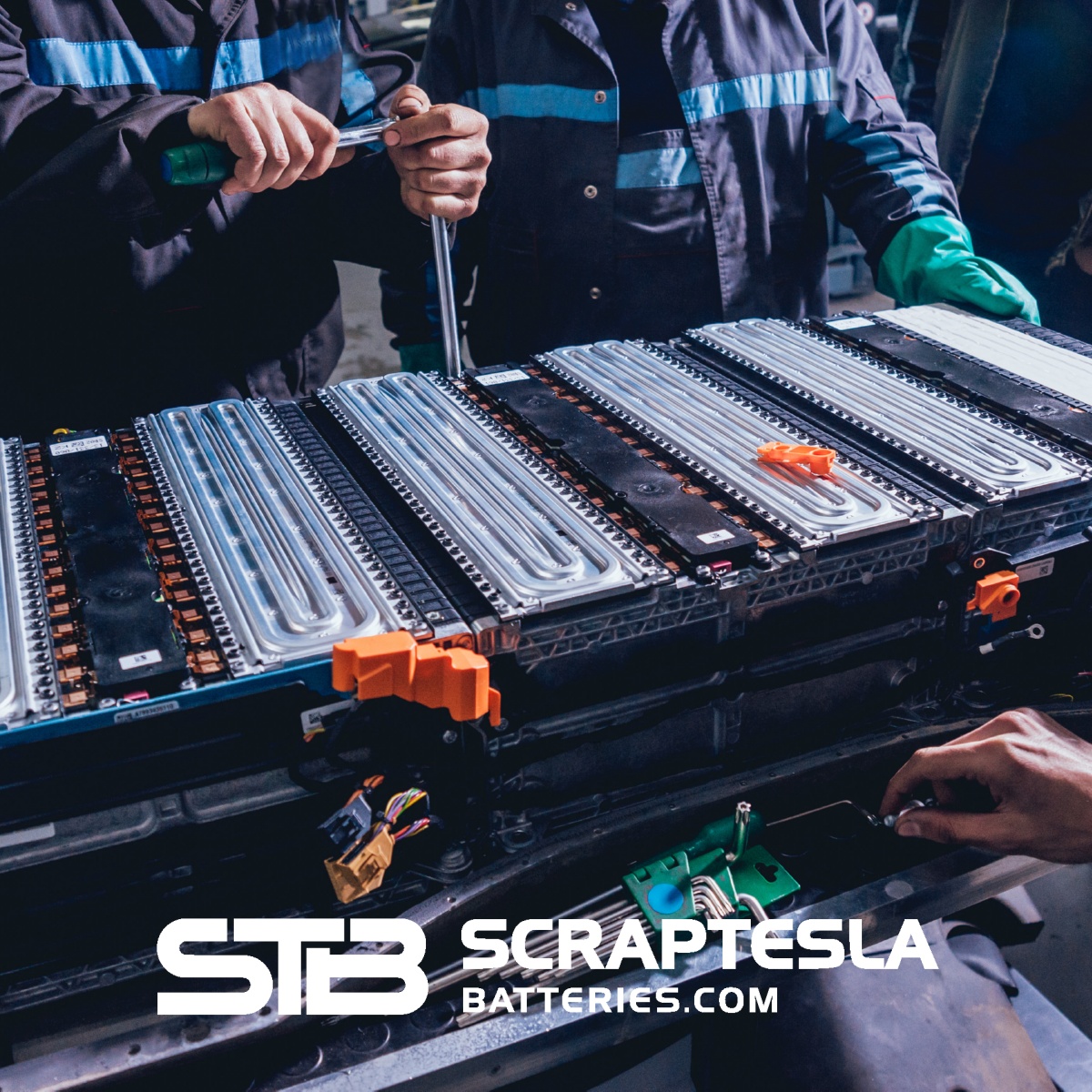
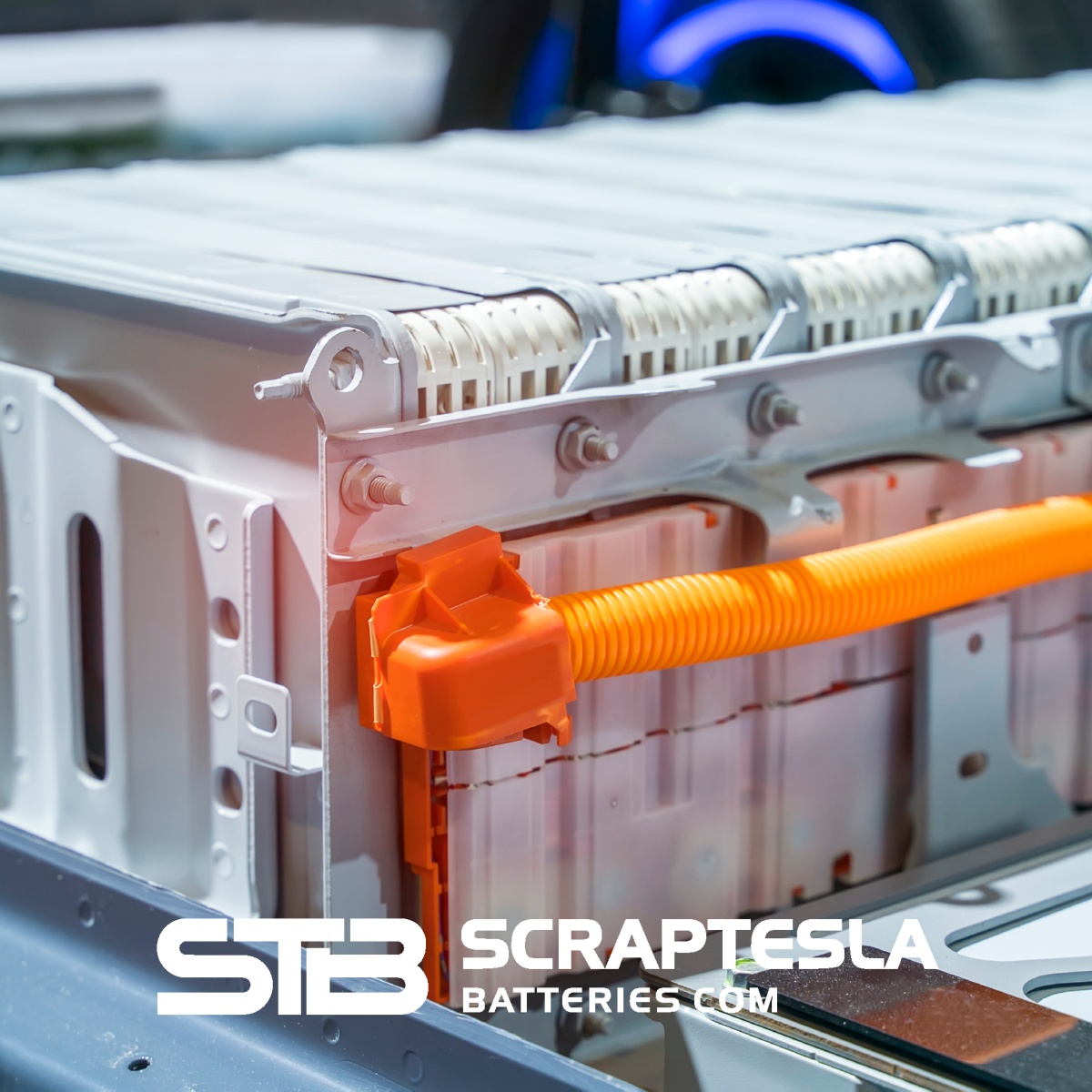
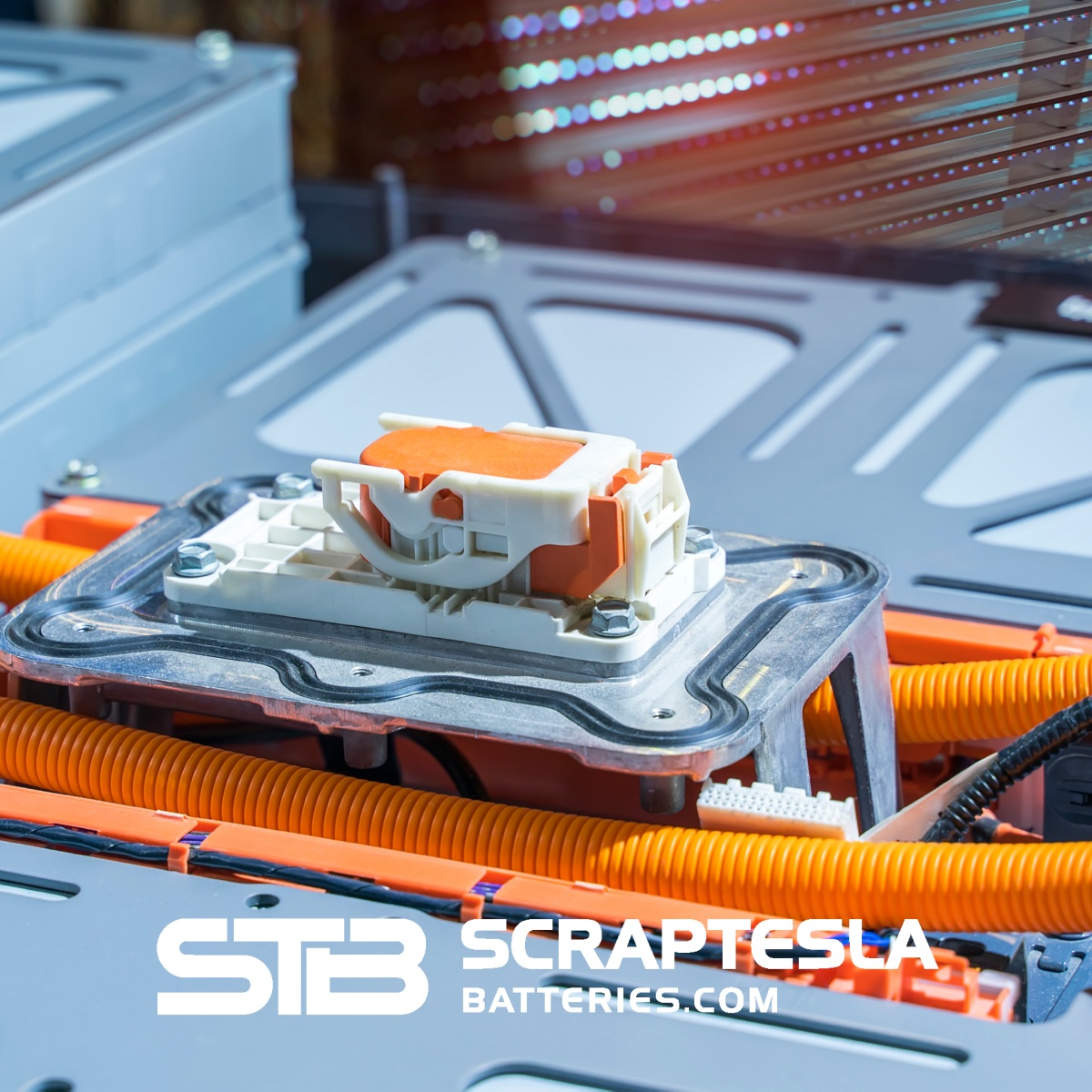
An electric-vehicle battery (EV battery) powers the electric motors of a battery electric vehicle or hybrid electric vehicle. Typically, these batteries are rechargeable and predominantly composed of lithium-ion cells. The generation of waste necessitates the recycling of EV batteries.
EV batteries contain nickel, cobalt, and copper. They are the main power source of:
- Electric vehicles
- Solar power storage
- Emergency power backups
- Power tools
With time, batteries like this eventually disintegrate and should be found a replacement. This may happen due to developing, abuse, and cheating. Thusly, the piece EV batteries must be threw away. EV battery recycling affiliations like us offer basic and effective recycling associations.
Lithium-ion batteries – which are the most common battery types used in electric vehicles – are formed of certain elements including carbon or graphite, a metal oxide and lithium salt.
Electrifying transportation is probably the greatest keys to explaining the atmosphere emergency. As electric vehicles become more mainstream, they are representing another issue: how to manage their batteries when they’re off the road. Thus, EV batteries are beginning to accumulate.
More than 1 million electric vehicles were sold worldwide in 2017. There is an estimate that those cars alone will ultimately result in 250,000 tons of discarded battery packs, according to a new paper published in the . If those were to end up in landfills, rather than with recycling companies, results could be detrimental.