Services

What You Should Know Before Throwing Out Expired EV Batteries
An electric-vehicle battery (EV battery) powers the electric motors of a battery electric vehicle or hybrid electric vehicle. Typically, these batteries are rechargeable and predominantly composed of lithium-ion cells. The generation of waste necessitates the recycling of EV batteries.
EV batteries contain nickel, cobalt, and copper. They are the main power source of:
- Electric vehicles
- Solar power storage
- Emergency power backups
- Power tools
With time, batteries like this eventually disintegrate and should be found a replacement. This may happen due to developing, abuse, and cheating. Thusly, the piece EV batteries must be threw away. EV battery recycling affiliations like us offer basic and effective recycling associations.
Lithium-ion batteries – which are the most common battery types used in electric vehicles – are formed of certain elements including carbon or graphite, a metal oxide and lithium salt.
Electrifying transportation is probably the greatest keys to explaining the atmosphere emergency. As electric vehicles become more mainstream, they are representing another issue: how to manage their batteries when they’re off the road. Thus, EV batteries are beginning to accumulate.
More than 1 million electric vehicles were sold worldwide in 2017. There is an estimate that those cars alone will ultimately result in 250,000 tons of discarded battery packs, according to a new paper published in the . If those were to end up in landfills, rather than with recycling companies, results could be detrimental.
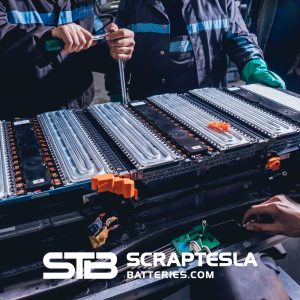
What Happens to Expired EV Batteries?
Waste can address a critical asset when contemplating recycling. The path toward social event and planning materials that would somehow be threw away as trash refers to recycling. Thus, thinking about waste to change into new things through recycling EV batteries. What happens to expired EV batteries? EV batteries are a lithium-based battery-powered battery that contain nickel, cobalt and copper. They are the primary components:
- Electric vehicles
- Solar power storage
- Emergency power backups (UPS)
- Power tools
These batteries from all these basic devices are sent for reuse every day since they wear out and should be supplanted. This is regularly a result of maturing, overuse, and overcharging.
More than 1 million electric vehicles were sold worldwide in 2017. There is a gauge that those vehicles alone will eventually bring about 250,000 tons of disposed of battery packs, as per another paper distributed in the . It is imperative to take note of that after numerous long stretches of valuable life in a vehicle or other device, the battery is reusable.
Recycling EV batteries positively impacts the environment by reusing materials and reducing pollution. The reusable materials that EV batteries contain include:
- Nickel
- Cobalt
- Copper
These materials can be reusable to make different things including more EV batteries. Therefore, recycling EV batteries diminishes landfill populace which adds to a decrease in contamination.
To get the significant reusable materials EV batteries contain, there are numerous steps to follow:
- First, recycling companies buy or sell scrap EV batteries. By doing this, these recycling companies get cobalt, nickel and copper.
- Then, deactivate the batteries. This must occur before the procedure starts.
- After this, the EV batteries are put in a specialized room. Along these lines, the room is oxygen-free.
- Subsequently, the process of extracting metals from their ores ( hydrometallurgy ) occurs.
- Next, the process of utilizing aqueous solutions to extract metal from other metal bearing materials (leaching) happens.
- Furthermore, organize the battery components into three unique classifications. These classifications are cobalt, steel and aluminum, copper, and plastic.
- Finally, companies sell the recycled materials.
The extraction of EV batteries requires proper disposal to prevent adverse environmental impacts. Consequently, this is where EV battery recycling organizations play a crucial role. Furthermore, there has been a collective effort from individuals, governments, and organizations to promote a greener world. One effective strategy to move in the right direction is to recycle EV batteries.
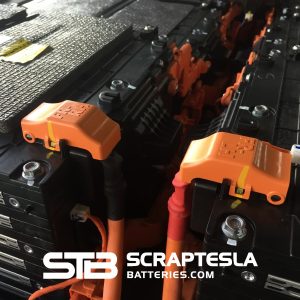
The Significance of EV Battery Recycling
Like any source of power, EV batteries wear out and need replacing. The current predictions is that an electric car battery will last from 10 – 20 years before they need replacements.
Battery electric vehicles use electricity stored in a battery pack to power an electric motor and turn the wheels. When drained, the batteries are rechargeable using grid electricity, either from a wall socket or a dedicated charging unit. Other than electric vehicles, these batteries power:
- Solar power storage
- Emergency power backups (UPS)
- Power tools
Firstly, enabling transportation has become a norm for those seeking efficiency and a solution to the ongoing environmental crisis caused by traffic congestion. In 2017, the global sales of electric vehicles exceeded 1 million units. When these batteries reach the end of their lifespan, consumers must consider recycling.
Proper disposal is essential for the removal of EV batteries to prevent adverse environmental impacts. This is where EV battery recycling organizations step in to provide assistance. It is crucial to understand the EV battery recycling process.
To get the precious reusable materials EV batteries include, there are several steps to follow:
- First, recycling companies purchase or sell scrap EV batteries. By doing this, these recycling companies get cobalt, nickel and copper.
- Then, deactivate the batteries. This must occur before the procedure starts.
- After this, the EV batteries are put in a specialized room. Thus, the room is oxygen-free.
- Subsequently, the process of extracting metals from their ores ( hydrometallurgy ) occurs.
- Next, the process of using aqueous solutions to extract metal from other metal bearing materials (leaching) occurs.
- Furthermore, organize the battery components into three different categories. These categories are cobalt, steel and aluminum, copper, and plastic.
- Finally, companies sell the recycled materials.